Home · Services · Outlets, Switches and GFCI
Outlets, Switches and GFCI in Florissant, MO
Quick answer
Device work focuses where water meets power: kitchens, baths, garages, laundry rooms, and outdoor receptacles exposed to humid summers and winter cold. In older Florissant homes, a dead outlet can signal worn devices, a tripped GFCI upstream, or tired wiring, so testing traces the circuit rather than swapping parts blindly.
Outlets, Switches and GFCI in Florissant starts with the local read: fifties and sixties ranch and brick homes across the established neighborhood grids, split level and two story homes in the later sections, townhome and apartment stock along the corridors, and older frame homes near the old village center. The Cold Water Creek side of the service area and the city's cold winters, hot humid summers, and a strong spring and summer storm season set the order of work, and the scope names that order in writing before anyone commits to a price.
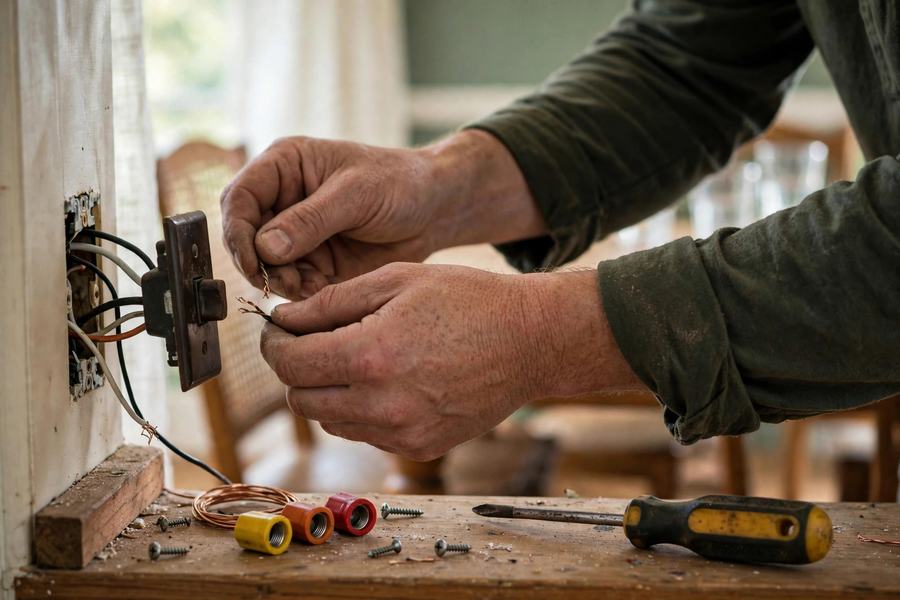
How we approach this job
Diagnosis and insurance documentation: For outlets, switches and gfci in Florissant, the buying situation is a problem with a cause: find the real source, document it with photographs and readings for any claim, and only then price the fix.
Signs you need outlets, switches and gfci
- GFCI devices that will not reset or test. It usually means an ungrounded system feeding grounded loads is a protection gap, solved at the device with GFCI protection or at the circuit.
- Two-prong outlets and a panel with no room for a needed circuit. It usually means the missing protection sits exactly at the highest risk points; this is a code and safety correction, not an upgrade.
- A breaker that trips repeatedly on the same circuit. It usually means one tripped device upstream is protecting, and silencing, a whole string.
- Flickering lights across several rooms at once. It usually means a device that trips repeatedly under load is reporting a real fault.
What the job involves
What affects the price
- Scope: device, circuit, or panel, decided by testing
- Panel capacity and the load calculation for new work
- Access: attic, crawl space, or finished walls
- Permit and inspection items where the job requires them
- Whether storm or surge damage documentation is needed for a claim
When it is an emergency
A burning smell, a warm or buzzing panel, sparking, or power loss to half the house are the emergency cases: stop using the circuit and call the same day. Repeated breaker trips are the panel asking for a read before a device or a breaker fails hot.
PLACEHOLDEROutlets, Switches and GFCI across the Florissant area
Related services
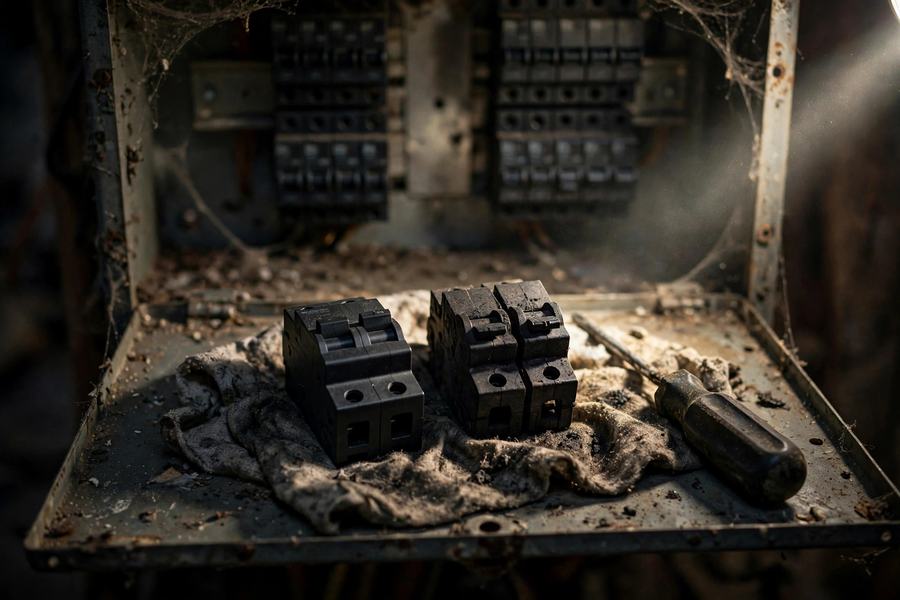
Emergency Electrical Repair
Power loss, a burning smell, or a panel fault in a Florissant ranch home needs diagnosis before resets. Many 1950s and 1960s panels here already run full, spring and summer storms strain overhead services across the river plain, and the visit separates a utility-side problem from a fault inside the house.
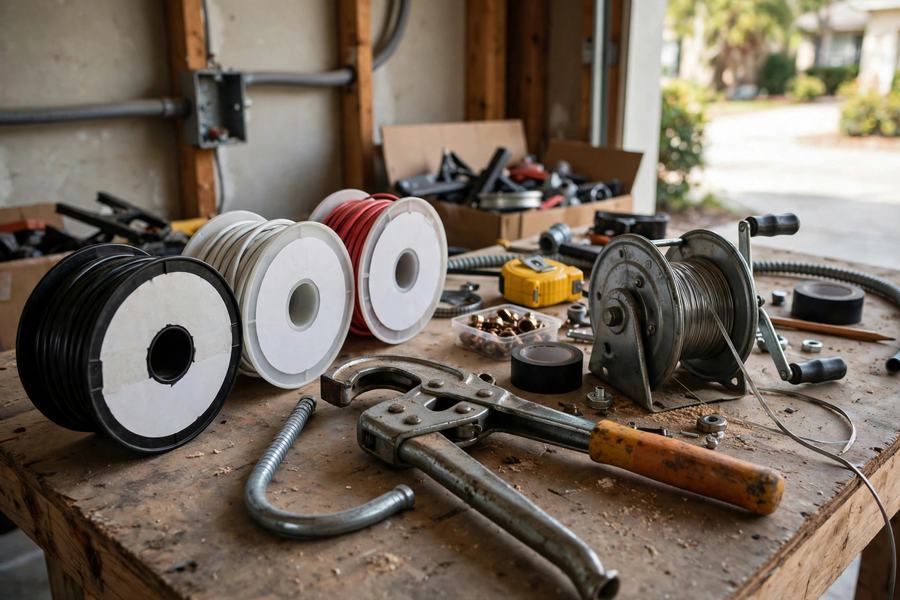
Commercial Electrical Service
Shops, offices, and rentals along Florissant's corridors need electrical work documented clearly enough for owners and tenants to act on. Findings cover panel capacity, device condition, and code-related items in writing, with attention to older buildings near the old village center where past alterations often hide behind finished walls.
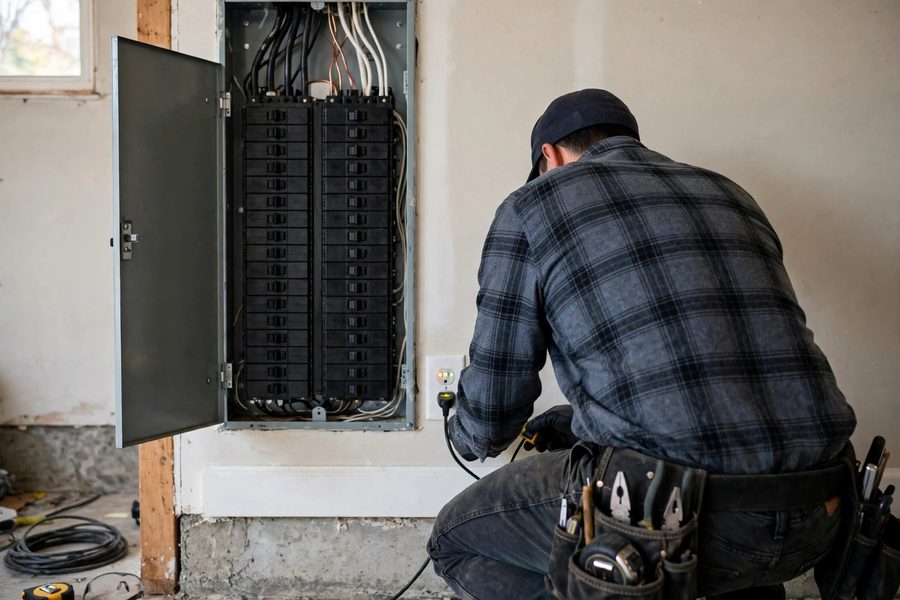
Breaker Panel Replacement
Replacing a panel starts with arithmetic, not a sales pitch: a load calculation, an inventory of open spaces and doubled breakers, and permit steps stated up front. Ranch and brick homes built for a smaller electrical era benefit most, especially when a generator, vehicle charger, or addition is planned.
Generator Hookup and Installation
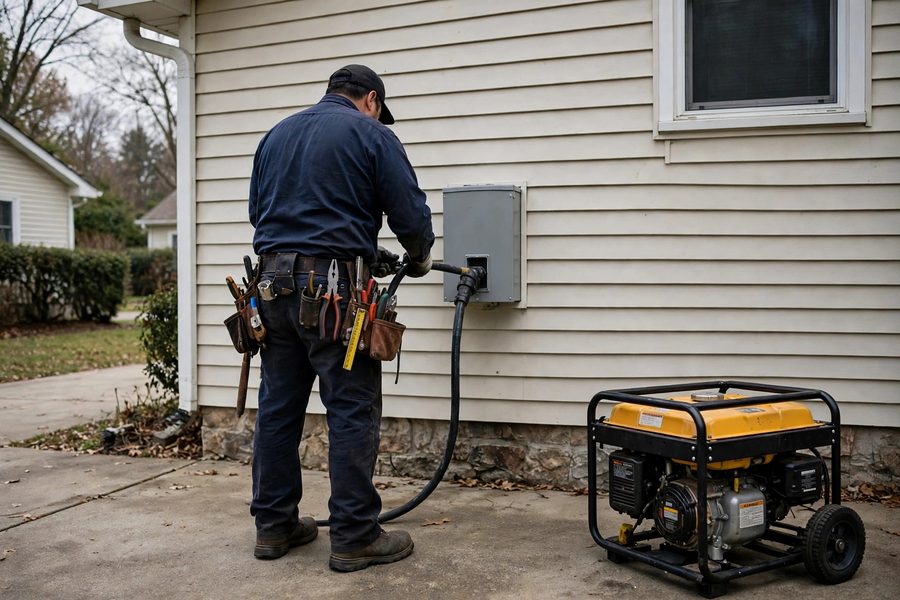
A portable generator should feed chosen circuits through an interlock or transfer switch installed at the panel, never through a cord plugged into a dryer outlet. Florissant outages tend to follow storm season and winter weather, so inlet placement, cord reach, and safe outdoor positioning get planned before the next outage.
Outlets, Switches and GFCI questions, answered
When is outlets, switches and gfci an emergency?
A burning smell, a warm or buzzing panel, sparking, or power loss to half the house are the emergency cases: stop using the circuit and call the same day. Repeated breaker trips are the panel asking for a read before a device or a breaker fails hot.
What affects the price of outlets, switches and gfci in Florissant?
The main price factors for outlets, switches and gfci are covered in the cost section above. The contractor confirms the exact price in a written estimate after seeing the job, and nothing is owed until you approve it. The call and the referral are free.
We are adding a second EV and a heat pump. In what order should the electrical work happen?
Start with arithmetic, then buy hardware: a load calculation inventorying what the house draws today and what the plan adds, vehicles at their real charging rates, the heat pump at its cold-morning draw, plus the range and dryer. That single document usually dictates the sequence: service or panel capacity where the math requires it, then dedicated circuits, then the appliances themselves. Households that buy the car first and calculate later often end up charging slowly on a shared circuit while panel work waits on a permit that could have been filed during a calmer season. Florissant winters make the heat pump figure worth using carefully, since cold snaps are when its draw peaks.
How much does an electrician cost in Florissant?
Published national guides commonly list electricians at $50 to $100 or more per hour plus a service or trip fee, with small jobs, replacing a device or tracing a fault, often totaling $150 to $400. Project figures from those guides: breaker panel replacement $1,300 to $3,000, a generator interlock or transfer switch hookup $500 to $1,500, whole-home surge protection a few hundred dollars installed, and whole-home standby generators $10,000 to $15,000 or more installed. In Florissant, where many ranch homes still run older, fuller panels, compare written pricing after an assessment, with permit costs stated, rather than a phone estimate.
My breaker keeps tripping. What does it mean, and can I just keep resetting it?
A breaker trips for three broad reasons: a genuinely overloaded circuit, a short or ground fault somewhere on it, or failure of the breaker itself. Resetting once after unplugging loads is reasonable troubleshooting. A breaker that trips instantly, trips with nothing running, or feels warm is reporting a fault, and forcing it repeatedly can turn a protective device into a fire risk. Tracing proceeds from the panel outward through devices and junctions on the circuit, and the cause is usually specific, a device, a damaged conductor, or an appliance giving itself away. In split-level homes here, that search often includes junctions hidden in finished basements.
Request a callback
Prefer to talk later? Leave your details and an independent local pro will call you back. No charge to you, no obligation.
Cold Water Creek Electric is a free referral service. Submitting this form connects you with independent local contractors who provide the work.